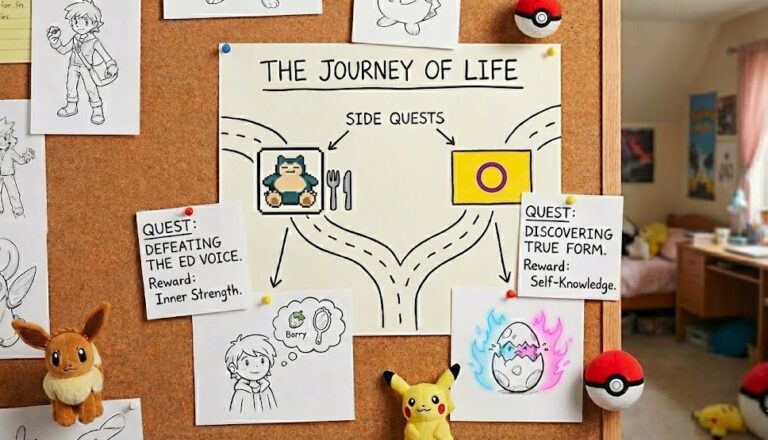
Introducing Recovery Coaching at Side Quest


Most of the hardest parts of eating disorder recovery do not happen in therapy.
They happen in kitchens, grocery stores, dorm rooms, and workplaces. They happen on ordinary weekdays when a meal feels impossible, a routine falls apart, or sensory overwhelm takes over. Over time, I began to notice that even when therapy was going well, many neurodivergent clients were still struggling most in the spaces between sessions.
As Side Quest has grown, my understanding of what neurodivergent clients actually need for sustainable recovery has evolved. And when I reflect on my own eating disorder recovery, I am reminded that much of the support that made recovery possible existed beyond formal clinical care.
When the Standard of Care Still Isn’t Enough
Eating disorder treatment is typically built around therapy and nutrition counseling, supported by medical and psychiatric care. All of these components are essential. And for many neurodivergent individuals, they are still not sufficient on their own.
As a solo therapist, I began to notice a consistent pattern. Clients were doing meaningful, engaged work in therapy, often alongside registered dietitians, and still struggling in very real ways outside of session. These challenges were not rooted in a lack of insight, motivation, or commitment to recovery. They reflected unmet support needs at the level of timing, environment, nervous system capacity, and executive functioning.
Common between-session challenges included:
- Difficulty initiating eating despite a clear desire to do so
- Sensory overwhelm that made eating feel unsafe or intolerable
- Freezing or shutting down around meals
- Disrupted routines that led to missed or delayed meals
- Executive functioning fatigue that compounded restriction
These are not failures of willpower or “noncompliance.” They are predictable outcomes when individuals with neurodivergent nervous systems are expected to carry out recovery tasks in environments that are often overwhelming, unpredictable, and unsupported.
Again and again, I found myself wishing there were additional supports available in these moments—supports that could meet clients where recovery was actually happening, without asking therapy to become something that it is not. Therapy is not designed to provide daily structure, real-time scaffolding, or in-the-moment problem solving. When we expect it to do so, we inadvertently place unrealistic demands on both clients and clinicians.
This gap is not a personal shortcoming. It is a systems problem. And it is precisely the gap that Recovery Coaching is designed to address.
Expanding Care to Include Recovery Coaching
I’ve come to realize that truly supporting people with eating disorders requires more than just psychotherapy and medical nutrition therapy. Many clients need meaningful, practical support in their day-to-day lives, without being pushed into higher levels of care that are often overwhelming or poorly matched to neurodivergent needs.
That realization led me to expand Side Quest Psychotherapy to include recovery coaching.
For a long time, I had been circling the same question: how do we offer real support in the moments between sessions, without asking therapy to become something it isn’t? The gap was already there, and it was becoming harder to ignore. When a colleague reached out asking who was hiring, it clarified what had already been taking shape.
So I stopped overthinking it and moved forward.
Beginning January 5, Marissa Adams (she/her) will be joining Side Quest Psychotherapy as our Recovery Coach.
Beginning January 5, Marissa Adams (she/her) will be joining Side Quest Psychotherapy as our Recovery Coach.Your Attractive Heading
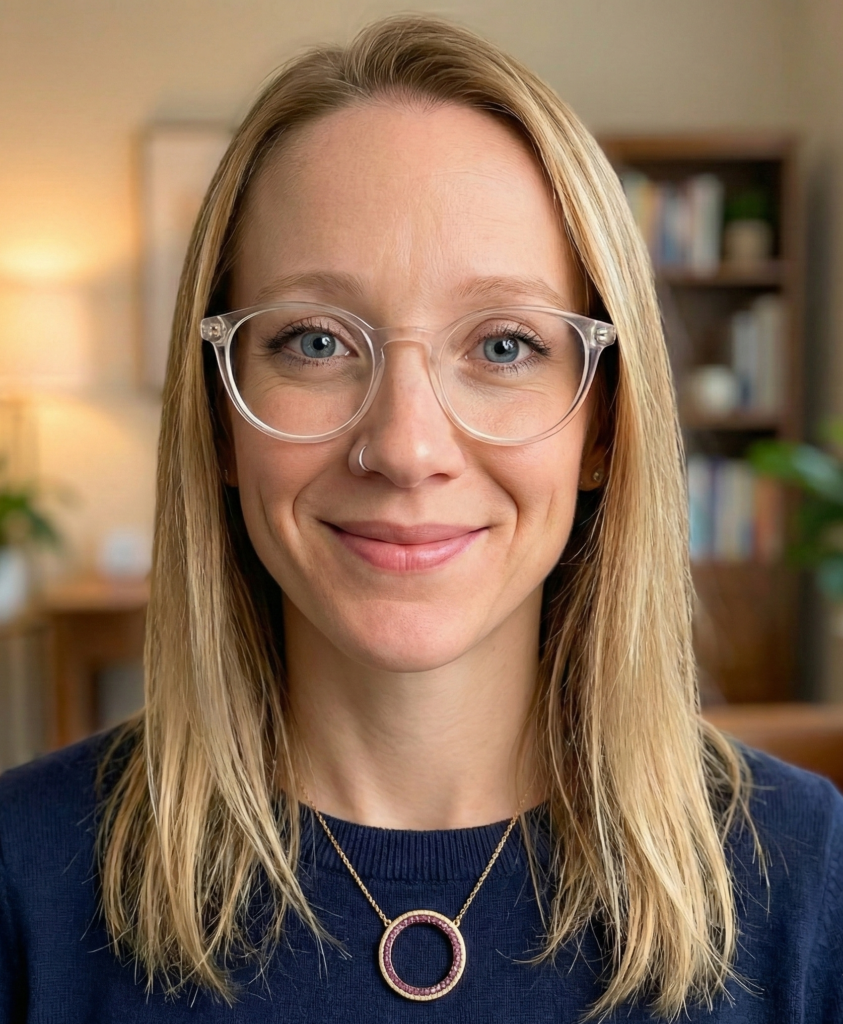
I have known Marissa for over 15 years, and bringing her into this role was not a leap of faith. It was a thoughtful, intentional decision grounded in a long history of shared values, trust, and alignment in how we think about care. As my first employee at Side Quest Psychotherapy, choosing Marissa reflected the kind of foundation I want this practice to be built on.
Marissa is a late-diagnosed autistic, intersex person who has recovered from an eating disorder. She brings a rare combination of lived experience, advocacy, and academic rigor to this role. Her depth of knowledge in eating disorder care rivals that of many licensed clinicians, grounded in years of sustained engagement with the field.
Much of Marissa’s work has centered on peer support, community education, and improving how research and services are designed for people with complex identities and bodies. She has spent over a decade working with interACT and InterConnect Support Group in roles that bridge advocacy, communications, research literacy, and peer support. Across these spaces, she has helped build and sustain support groups, collaborate on research and training initiatives, and ensure that lived experience meaningfully informs professional practice.
She is also actively engaged in the broader eating disorder field through her involvement with the Academy for Eating Disorders and the National Alliance for Eating Disorders, where she contributes to research-informed, equity-focused work and brings underrepresented perspectives into professional spaces.
Marissa holds a Bachelor’s degree in Psychology from Towson University and has pursued scholarship well beyond her undergraduate training, including authorship on multiple peer-reviewed publications.
How Recovery Coaching Supports the Work of Therapy
At Side Quest, Marissa’s role is to walk alongside clients in the day-to-day work of recovery, offering support that is practical, relational, and grounded in an understanding of neurodivergent nervous systems. Her presence allows therapy to remain therapy, while clients receive the added structure and consistency that recovery often requires. Because recovery coaching is a non-clinical service, Marissa is able to work with clients nationwide.
If recovery still feels harder than it should, you’re not imagining it. Recovery often requires more structure and in-between support than therapy alone can provide.
Reserve Your Spot with Marissa Today!
Building Side Quest has been a learning process. Over time, it has become clear to me that supporting eating disorder recovery means being honest about where standard models fall short and being willing to respond to that reality.
As I look ahead, my focus is on expanding support in ways that are more community-centered and sustainable. That means gradually shifting beyond relying solely on one-to-one therapy and toward building structures and supports that reflect how recovery actually happens for many people.
I am recovered from an eating disorder, and this is still my community. Being a licensed therapist does not separate me from the realities I see or the gaps in care that persist. With that comes a responsibility to build support that is accessible, relational, and not dependent on individual providers pushing themselves beyond what is ethical or sustainable.
Expanding to include recovery coaching is one step in that direction. It reflects the values that have guided Side Quest from the beginning: respect for neurodivergent nervous systems, clear boundaries, and care that meets people where they are.
This shift is not about doing more. It is about doing better.