
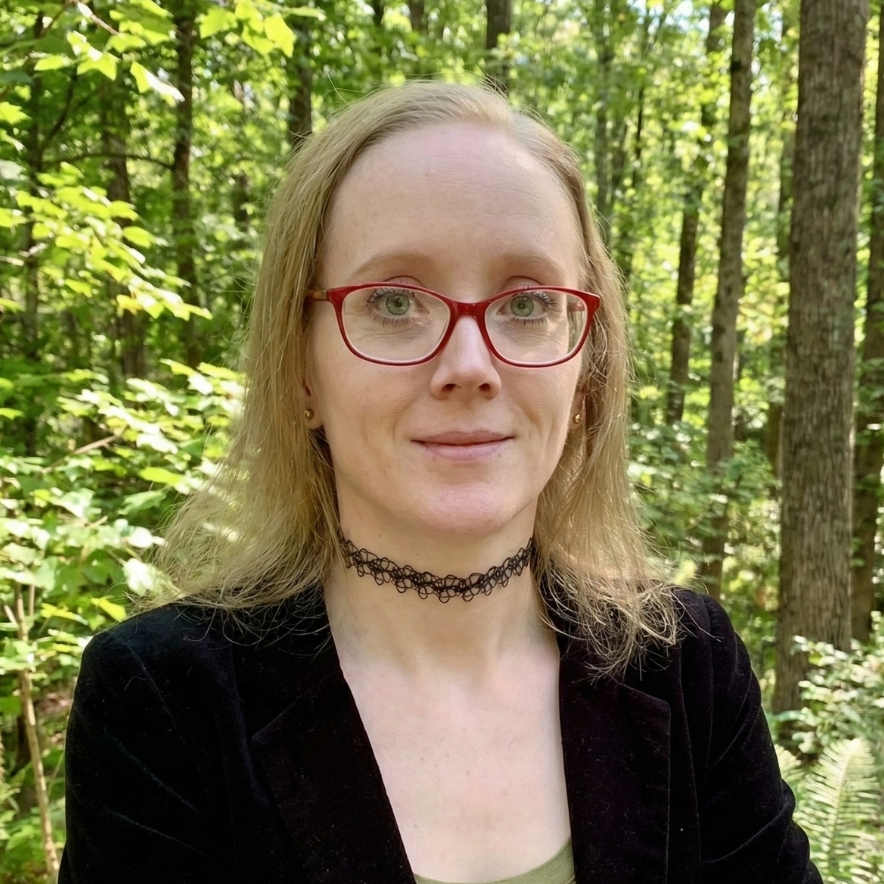
Marissa Adams, IEDS
Recovery Coach & Patient Advocate
Hi! I’m a neurodivergent Recovery Coach, recovered from my own eating disorder—so I know firsthand that healing is messy, nonlinear, and totally worth it.
I came to this work because I couldn’t find support that held all of me at once — the eating disorder, the neurodivergence, my intersex traits, the years of being labeled “too complex” and “treatment-resistant.”
At Side Quest Psychotherapy, I provide recovery coaching and patient advocacy for people navigating eating disorder recovery, mental health challenges, neurodivergence, and intersex healthcare — with lived experience as the foundation of everything I do.
My Side Quest
My path to this work wasn’t a straight line. It was a series of detours, dead ends, and moments where the map I was handed just didn’t match the terrain I was actually on.
I entered eating disorder treatment as a young person and quickly learned that the systems designed to help me weren’t built for someone like me. I was autistic in spaces that didn’t recognize neurodivergence. I was intersex in spaces that didn’t have language for my body. I was labeled “complex” and “treatment-resistant” in ways that felt more like dismissal than clinical observation. I kept showing up anyway — and eventually found pockets of care that actually fit.
That experience is what drives everything I do now. I’ve spent over a decade advocating for intersex individuals and their families — co-coordinating youth programs, supporting people through identity and medical decisions, and showing up at the tables where decisions get made about people like us. Alongside that, I’ve spent the last four years working in the eating disorder field through peer support, research collaboration, and organizational work — learning how to translate all of that into something that actually helps people right now.
I bring lived experience and rigorous training to this work in equal measure. I’m not a therapist, and I’m not trying to be. My role is to be the guide who has walked some of this terrain before — who knows where the trail is unmarked, where systems will push back, and how to keep moving anyway.
Working With Me
I provide recovery coaching that meets you where you are. My work is practical, grounded, and focused on your needs. I collaborate with your existing care team when helpful, supporting you in advocating for yourself and managing the real-life challenges that traditional treatment often doesn’t address. My aim is to make life a little easier and help you move forward on your own terms.
My approach is HAES-aligned, weight-inclusive, neuroaffirming, and focused on reducing harm. I adapt to your nervous system and communication style rather than expecting you to adapt to a system. I am intersex-informed, with experience navigating the healthcare challenges intersex people face, and peer-grounded, drawing on my own lived experience as the foundation of my work.
If you’re ready for practical guidance, advocacy, and support tailored to you, book a session today and start moving forward with someone in your corner.
We Might Be a Good Fit If…
You’re autistic, ADHD, or otherwise neurodivergent
- You’ve been told your eating disorder isn’t “serious enough” or you’ve been discharged from treatment before you felt ready, or you fall outside the diagnostic criteria that systems use to gatekeep care
- You’ve been labeled “clinically complex,” “severe and enduring,” or “treatment-resistant”
- You want real-world support alongside clinical care
You’re intersex and looking for someone who gets it from the inside — whether that’s healthcare navigation, bodily autonomy, medical decision-making, or just finding language for your experience
- You’re LGBTQIA+ and tired of explaining yourself
You’re a parent or caregiver supporting a young person through eating disorder recovery, or navigating intersex medical decisions on behalf of your child
Education & Training
- Inclusive Eating Disorder Specialist (IEDS) — Inclusive Eating Disorder Education
- Eating Disorder Informed Professional (EDIP) — Eating Recovery Center
- Motivational Interviewing for Weight-Inclusive Providers — Center for Body Trust
- Bachelor of Science (BS) in Psychology — Towson University, Baltimore, Maryland
Professional Affiliations
- Academy for Eating Disorders (AED) — Experts by Experience Committee, SIG Oversight Committee, Member of Special Interest Groups (SIGs): Neuropsychology, Medical Care
- The National Alliance for Eating Disorders — Affiliate Member
- Fighting Eating Disorders in Underrepresented Populations (FEDUP)
- InterConnect Support Group [previously AIS-DSD Support Group] — Communications & Support Coordinator, Co-developer, monthly peer support group, Liaison to Health & Research Advisory Committee
- interACT: Advocates for Intersex Youth — Past Program Coordinator
Peer-Reviewed Publications
2025
Downs, J., & Adams, M. (2025). Re-imagining connection: the role of late autism diagnosis in eating disorder recovery and social support. Journal of Eating Disorders, 13(1), 120.
Sharpe, S. L., Lorshbough, E., & Adams, M. (2025). Bodily autonomy for intersex children and adults must be protected. British Medical Journal, 389, r858.
Whitehead, J., Adams, M., Davies, A., Johnson, E. K., & Pyle, L. T. C. (2025). Evolving language reflects evolving understanding: updated terms for anatomical description in i/VSC/DSD. Nature Reviews. Urology.
Adams, M., Roff, C., & Federici, A. Responding to Birch et al. (2024), “Harm reduction in severe and long-standing Anorexia Nervosa: part of the journey but not the destination—a narrative review with lived experience.” Journal of Eating Disorders. [Withdrawn by authors post-acceptance.]
L’Erario, Z. P., Catalano, A., Al-Mufti, F., Silverstein, S., Volpe, S. G., Adams, M., et al. (2025). Cerebrovascular Health Among Sex- and Gender-Diverse People: A Narrative Review. Neurology. Clinical Practice, 15(2), e200450.
Downs, J., Adams, M., Federici, A., Sharpe, S. L., & Ayton, A. (2025). Equity in eating disorders: a dialectical approach to stigma, expertise, and the coproduction of knowledge. Journal of Eating Disorders, 13(1), 31.
2024
Astle, S., Pariera, K., Anders, K. M., Brown-King, B., & Adams, M. (2024). Growing Up Intersex: A thematic analysis of intersex emerging adults’ key socialization experiences in childhood and adolescence. Sex Roles.
Elwyn, R., Adams, M., Sharpe, S. L., Silverstein, S., LaMarre, A., Downs, J., & Burnette, C. B. (2024). Discordant conceptualisations of eating disorder recovery and their influence on the construct of terminality. Journal of Eating Disorders, 12(1), 70.
Astle, S., Pariera, K., Anders, K. M., Brown-King, B., & Adams, M. (2024). “Support the shit out of them:” Intersex Emerging Adults’ recommendations for caregivers of an intersex child. Sexuality & Culture.
L’Erario, Z. P., Adams, M., Makara, J., & Zeigler, G. (2024). Community Approach Toward Inclusion of Sex and Gender Diversity in Graduate Neurology Education. Neurology, 102(8), e209360.
Urban, B., Smith, E. K., Adams, M., Sharpe, S. L., & Silverstein, S. (2024). Guidelines for research with transgender, gender diverse, and intersex individuals with eating disorders. Eating Disorders.
2023
Sharpe, S. L., Adams, M., Smith, E. K., Urban, B., & Silverstein, S. (2023). Inaccessibility of care and inequitable conceptions of suffering: a collective response to the construction of “terminal” anorexia nervosa. Journal of Eating Disorders, 11(1).
Essays & Commentary:
Adams, M. (2023, July 19). Thoughts on “terminal anorexia nervosa.” Nursing Clio.
Speaking & Media
Presentations
Language/Terminology in i/VSC/DSD. Whitehead, J., Adams, M., & Davies, A. (2025). Journal Club, Differences of Sex Development & Ethics Special Interest Group, Pediatric Endocrine Society.
Eating disorders in intersex individuals: a clinically unique and underserved population. Sharpe, S. L., & Adams, M. (2024). International Conference on Eating Disorders — San Antonio, TX.
From Suffering to Dying: Is there a Middle Ground? A Dialectical Perspective on Terminality and MAiD. Federici, A., Silverstein, S., Adams, M., Downs, J., Piekunka, K., & Stokes, L. (2024). International Conference on Eating Disorders — New York, NY.
Guest speaker: The Medical Treatment of Intersex. Adams, M., & Budwey, S. A. (2024). Intersex in Christian Traditions: Perspectives From Science, Law, Culture, and Theology. Divinity School, Vanderbilt University.
Accessing, Visibilizing, and Improving Health Care for Trans, Intersex, and Gender-Expansive People. Sharpe, S. L., & Adams, M. (2023). Women’s & Gender Studies Consortium, University of Wisconsin–Madison. [remote]
Community Voices: Intersex Experiences. Lossie, A. C., Adams, M., & Brown-King, B. (2021). Clinical and Ethical Considerations Across the Lifespan — Boston Children’s Hospital & Harvard Medical School. [remote]
In The News
Adams, M. (2023, August 7). Quoted in Sohn, R., “Outcry over ‘terminal anorexia’ response letter prompts retraction.” Retraction Watch.
Adams, M. (2020, October 27). Quoted in Littlefield, A., “Intersex activists push hospitals to ditch nonconsensual surgeries on children.” Truthout.
Adams, M. (2020, October 22). Quoted in Lang, N., “Boston Children’s Hospital will stop performing some surgeries on intersex youth.” Them.
Podcast Appearances

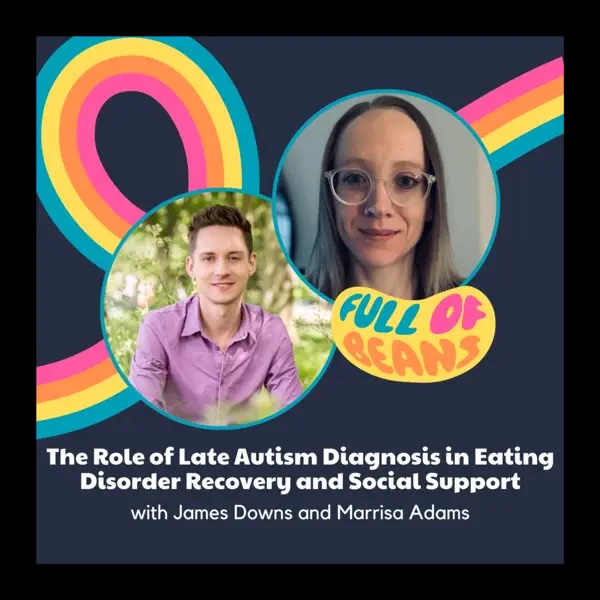
The Full of Beans: The Role of Late Autism Diagnosis in Eating Disorder Recovery and Social Support
Marissa and James Downs examine how eating disorders intersect with late-diagnosed autism and social connection. They discuss why standard treatments often fail autistic people, the impact of late diagnosis, masking, misdiagnosis, co-occurring conditions, and the need for individualized, neurodiversity-affirming care.
Eating Disorders Off Topic: The "Terminal Anorexia" Controversary
Marissa and Sam Sharpe critically examine the controversial concept of a “terminal” stage of anorexia. Drawing on their collective expertise and recent work, they discuss the problematic criteria, the risks of framing suffering in this way, and the impact such constructions can have on access to care and treatment experiences. Their conversation highlights the need for equitable, compassionate approaches that center the voices and realities of those affected.
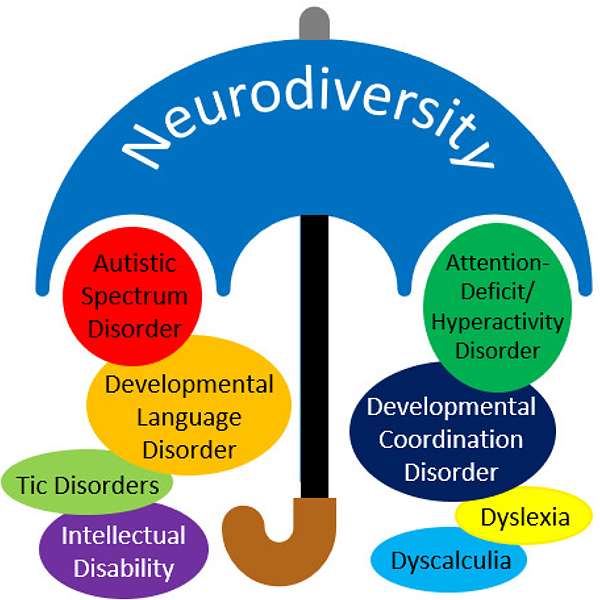
Eating Disorders Off Topic: Neurodiversity and Eating Disorders with Sam and Marissa
Marissa and Sam Sharpe talk about how eating disorder treatment centers often fail neurodivergent patients. They explore the barriers these individuals face, why standard approaches fall short, and strategies for creating more accessible, supportive, and neurodiversity-affirming care.

Eating Disorders Off Topic: Intersex and Trans with ED: Treatment Access and Provider Gaps
Marissa and Sam Sharpe discuss what it means to navigate these identities, the challenges of accessing knowledgeable healthcare providers, and strategies for seeking equitable treatment. Sam and Marissa also share insights from their work with FEDUP – Fighting Eating Disorders in Underrepresented Populations: A Trans+ & Intersex Collective.
Ready to work together?
Marissa Adams, IEDS, offers HAES-aligned, neuroaffirming recovery coaching and intersex healthcare navigation for teens, adults, parents, and caregivers — available nationwide. The free consultation is a no-pressure conversation — just a place to start.
SCOPE OF PRACTICE DISCLAIMER
Marissa is a Recovery Coach, not a licensed therapist or counselor. Recovery coaching provides mentorship, peer support, and advocacy — it is not therapy and does not replace clinical mental health treatment. If you are in crisis, please seek immediate support by calling or texting 988, dialing 911, going to your nearest emergency room, or visiting Crisis Support for options that do not involve emergency services without your consent.
